Why So Many People Underestimate How Active They Really Are
One of my patients recently told me she didn't think she was very active.
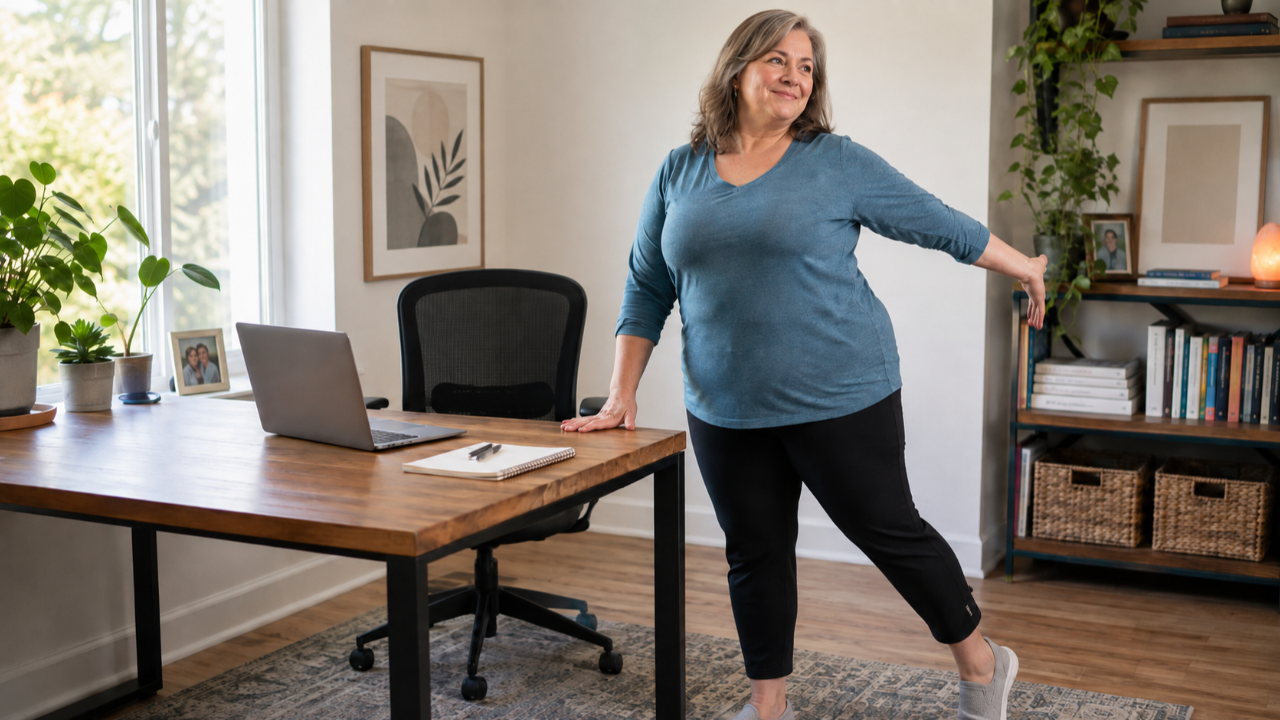
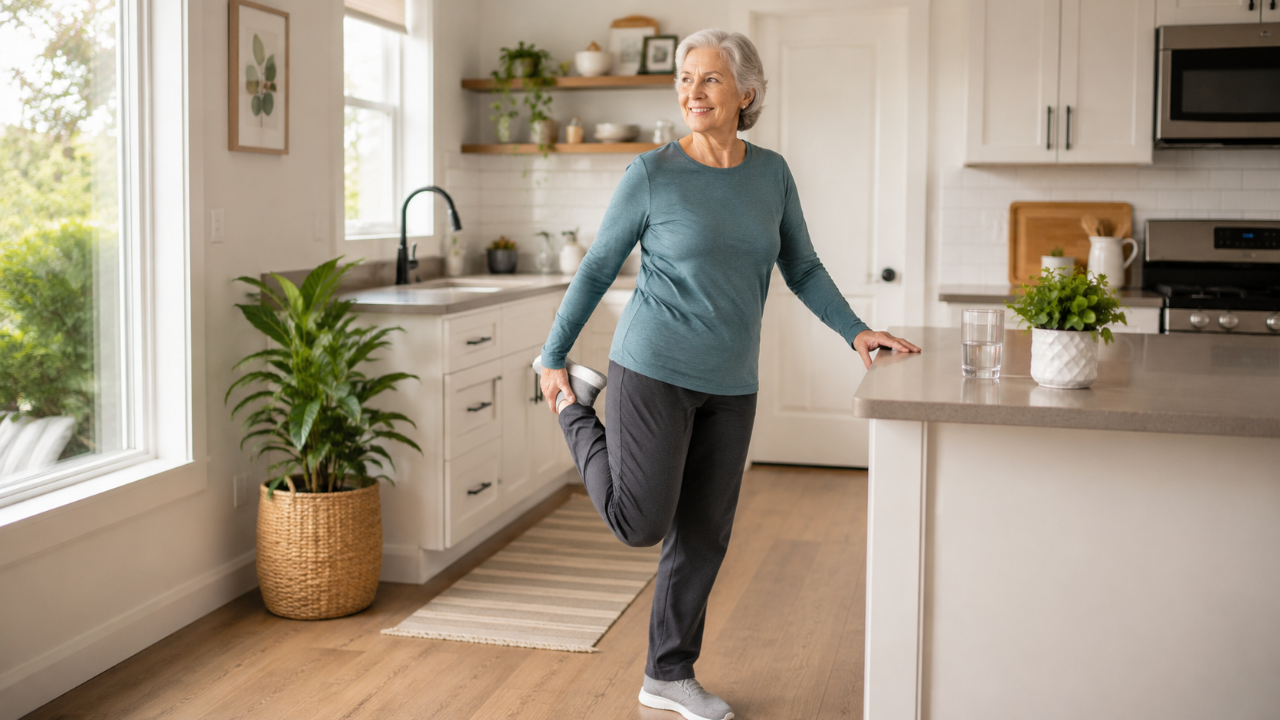
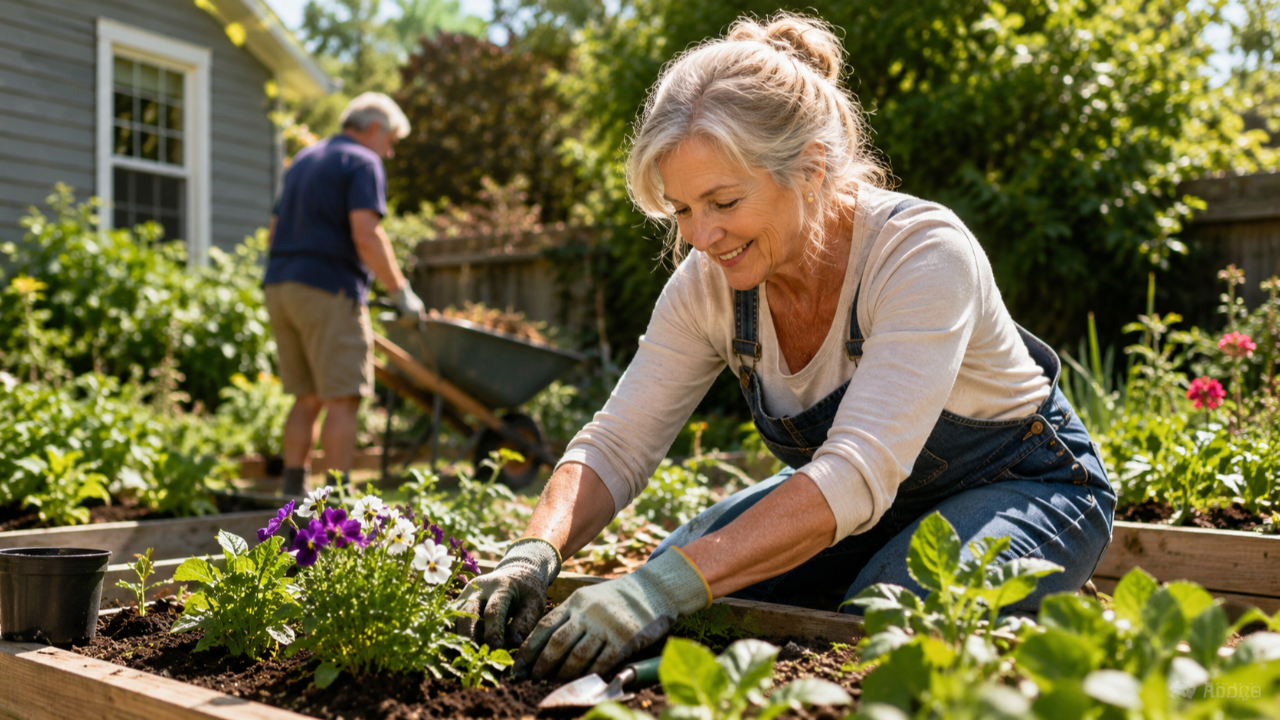
I found that interesting because when we talked through what a typical week looked like, a very different picture emerged. She's in her seventies and starts some mornings with a short mobility routine. She enjoys gardening and walks regularly
She doesn't go to the gym, and she has no interest in following a traditional fitness program. She owns a pair of dumbbells, but they mostly collect dust because that's simply not the type of exercise she enjoys.
Yet she'd convinced herself she wasn't active.
As we kept talking, I realized she wasn't judging herself based on how much she moved. She was comparing herself to what she used to do years ago and to what she thought exercise was supposed to look like. Because her activity didn't resemble a traditional workout, she'd decided it somehow counted less.
I don't think she's alone in that.
Many of us compare ourselves to a younger version of ourselves, to friends who enjoy different types of exercise, or even to the version of health we see online. Before long, we stop noticing everything we're already doing well because we're too focused on everything we think we should be doing instead.
I've had versions of this conversation many times over the years, and it reminds me that we've developed a very narrow definition of what it means to be active.
When we picture an active person, many of us immediately think of the gym, running shoes, workout clothes, weights, or fitness classes. Those things absolutely have value, but they're only one piece of the picture.
The rest of your day matters too.
When someone comes into my clinic feeling stiff or frustrated that their body isn't moving the way it used to, I'm certainly interested in whether they exercise.
I'm just as interested in how they spend the other fifteen or sixteen waking hours.
What does a normal Tuesday look like?
How much time is spent sitting?
Do they enjoy gardening? Walk the dog? Cook? Look after grandchildren? Work around the house? Get outside most days?
Those answers often tell me just as much as knowing how many workouts they completed that week.
One thing I've noticed over the years is that many people who continue moving well aren't necessarily the people doing the hardest workouts. They're often the people whose days naturally involve variety. They bend, carry, reach, squat, climb stairs, work in the yard, get up and down from the floor, and stay engaged in the tasks that fill their day.
Not because they're following a program but because that's simply how they live.
As an osteopath, I see what can happen when that variety gradually disappears.
One of the most common patterns I see is reduced movement through the upper back and rib cage. The shoulders become more rounded, the hips lose some of their mobility, and the lower back often starts doing more work than it needs to because other areas aren't contributing as well. Breathing can become less efficient too, simply because the upper ribs aren't moving as freely as they once did.
Many people assume this is simply part of getting older. While age certainly influences how our bodies change, I don't think it's the whole story.
Our bodies adapt to what we ask them to do most often. If we spend years sitting in similar positions, those positions gradually become our normal. We stop asking our joints to move through comfortable ranges, and over time that lack of variety starts to show.
The encouraging part is that our bodies also respond when we begin using them differently again.
Getting up from a chair, carrying groceries, gardening, reaching overhead, climbing stairs, or getting down on the floor all create subtle changes throughout the body. Muscles contract and relax, helping circulate blood. Joints move through different ranges, allowing synovial fluid to nourish the cartilage lining the joint surfaces. The brain receives constant information from muscles, joints, and balance systems, helping maintain coordination and awareness of where we are in space.
None of those responses are reserved for a workout. They're simply a response to using your body.
A few years ago, I came across the term Non-Exercise Activity Thermogenesis, or NEAT.
Despite the complicated name, the idea is simple. NEAT refers to all the physical activity we do outside of intentional exercise. Walking through the grocery store, preparing meals, gardening, cleaning the house, carrying laundry, or walking the dog all contribute.
Learning about NEAT didn't change how I looked at physical activity. It simply gave scientific language to something I'd already been observing in practice for years.
Those everyday activities have a great impact. They don’t totally replace exercise, but because they fill the many hours between our workouts.
I think we've unintentionally created an all-or-nothing view of being active.
I've spoken with people who feel guilty because they "only" exercised twice that week, even though they spent hours walking, gardening, working around the house, or keeping up with grandchildren.
I've also met people who completed several great workouts but spent most of the rest of the week sitting.
When I think about healthy aging, I'm not only thinking about someone's exercise routine.I'm thinking about whether they've built a life that keeps them using their body regularly.
Can they comfortably get up from the floor?
Can they carry groceries without hesitation?
Can they enjoy a vacation that involves lots of walking?
Can they spend an afternoon in the garden or keep up with their grandchildren without feeling limited?
Those are the things that support confidence and independence over time.
I still believe strength training is one of the best investments we can make in our health as we age. Maintaining muscle mass, bone density, balance, and strength becomes increasingly important, and resistance training is one of the best ways to support those goals.
At the same time, I don't think everyone needs to force themselves into a style of exercise they dislike simply because they believe it's the only way to be healthy.
Some people genuinely enjoy lifting weights.
Others look forward to swimming, walking, cycling, gardening, dancing, or spending a Saturday working around their property.
The activity itself isn't what matters most.
What matters is finding ways to keep using your body that fit your life and that you genuinely enjoy enough to keep doing.
Because that's what creates consistency.
When I picture someone aging well, I don't picture the perfect workout routine.
I picture someone who continues doing the things they love because they still have the strength, mobility, and confidence to do them.
That might be travelling with family, gardening all summer, hiking on vacation, chasing grandchildren around the yard, or simply feeling capable of looking after your own home without hesitation.
Those are the moments that give exercise a purpose.
To me, that's what staying active is really about.