Why Walking Helps More Than People Think: The Overlooked Benefits of Simple Movement
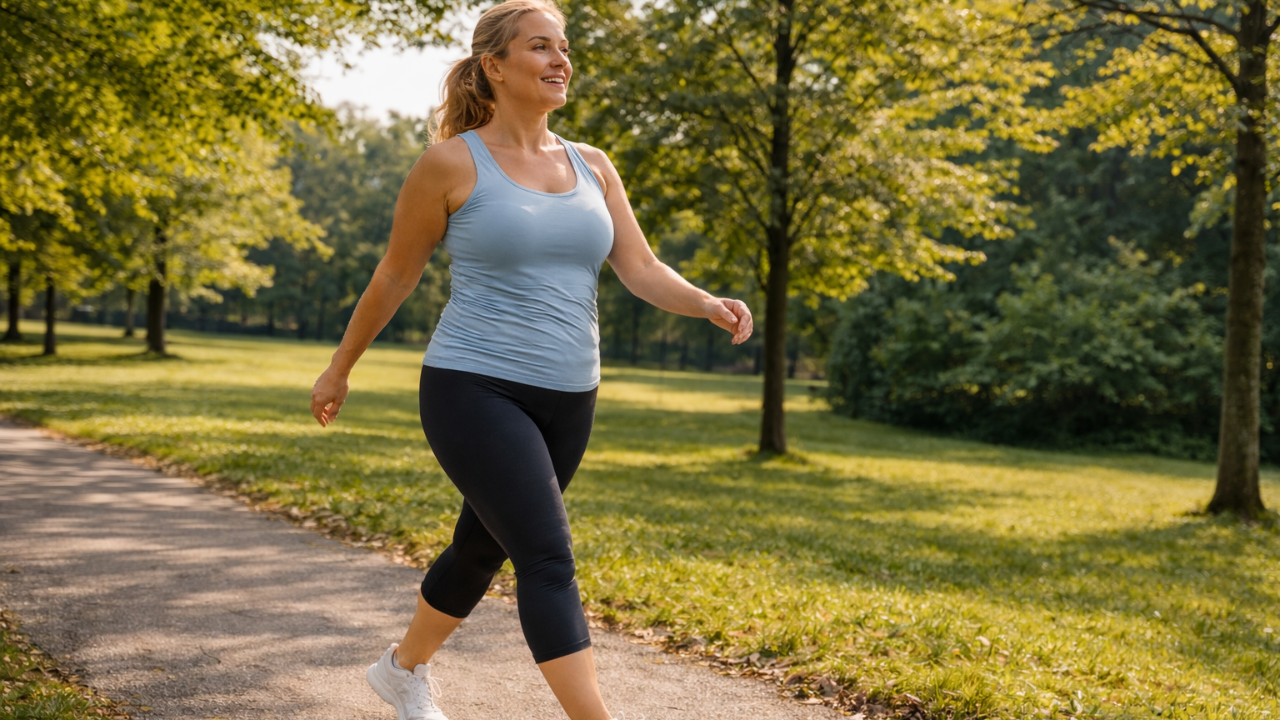
Walking is one of those things people tend to dismiss because it feels too simple.
It does not look intense. It is not usually what gets glorified online. It does not leave you dripping in sweat or feeling like you just pushed through a big athletic performance. Because of that, many people assume it is nice, but not particularly effective. Better than nothing, maybe, but not enough to really matter.
I think walking deserves a lot more credit than that.
Walking is one of the most accessible and underrated forms of movement we have. Not because it does everything, and not because it replaces other important types of exercise, but because it supports so many systems in the body at once in a way that is realistic, repeatable, and often much easier to recover from than more intense workouts.
For many people, especially in a busy or lower-capacity season of life, that matters more than people realize.
Walking is often the kind of movement people can actually sustain
One of the biggest reasons walking helps is also one of the least glamorous: people can usually keep doing it.
That is not a small thing. A movement habit does not need to be impressive to be effective. It needs to be something your body tolerates well enough, your schedule allows for, and your mind does not constantly resist.
Walking tends to check a lot of those boxes. It is familiar. It is adjustable. It can be slow or brisk. It can be done outside, on a treadmill, around your house, on your lunch break, after dinner, with a stroller, with a friend, or in ten-minute chunks throughout the day. That flexibility is part of what makes it so valuable.
So many people think they need to jump straight into the “perfect” workout routine to make progress. But in real life, the best place to start is often the kind of movement you can return to again and again.
That is important, because it gives people permission to stop thinking in extremes.
Walking helps interrupt the stiffness that builds from modern life
A lot of people do not feel bad because their body is weak or broken. They feel bad because their day has been one long static position.
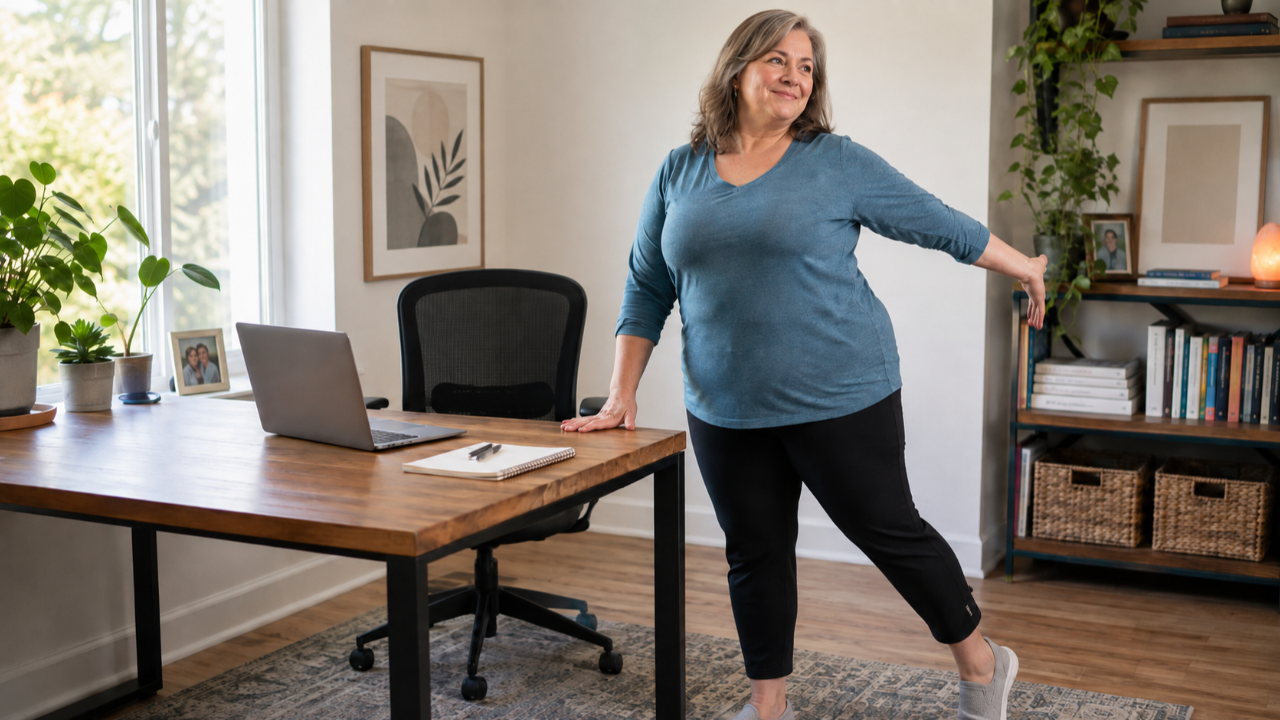
Sitting at a desk. Driving. Standing in one place. Feeding a baby. Looking down at a phone. Repeating the same posture over and over without much variation.
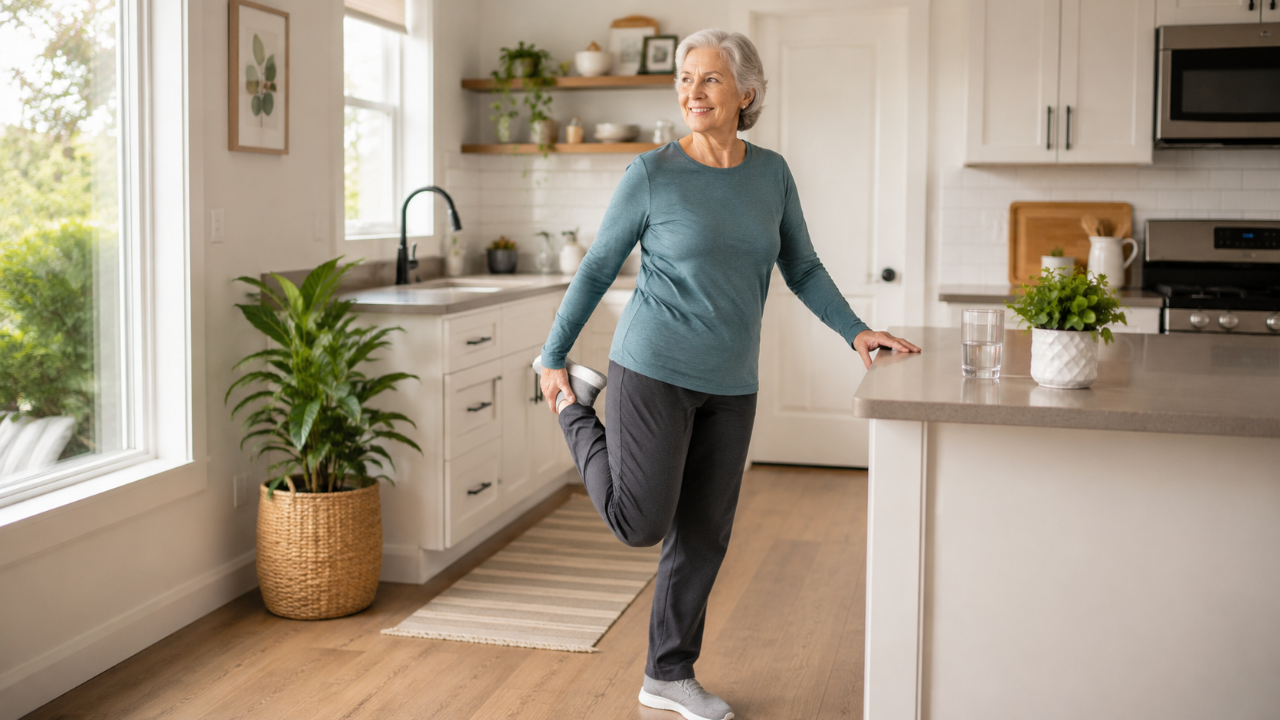
Walking can be incredibly helpful here because it gets the whole system moving in a gentle, rhythmic way. Your joints are no longer stuck in one angle. Your muscles are no longer holding you in one position. Your body has a chance to shift weight, rotate slightly through the trunk, move the arms, load and unload the legs, and create a little more circulation through tissues that may have been feeling compressed or stagnant.
This is one of the reasons a short walk can make you feel surprisingly different. Not because it fixed everything, but because it changed your mechanics enough to reduce that heavy, stiff, shut-down feeling that can build from being still too long.
I think people often underestimate how powerful that is.
Walking supports circulation in a very natural, low-pressure way
Walking also helps because it creates a manageable cardiovascular demand without feeling overwhelming for a lot of people.
You do not need to crush yourself to support your heart and circulation. Moderate, repeatable movement matters. Walking fits beautifully into that picture because it is one of the simplest ways to get blood moving, challenge the cardiovascular system a little, and reduce the long stretches of inactivity that are so common in everyday life.
From a practical perspective, that often translates to people feeling warmer, looser, clearer, and less sluggish after a walk. They may not always describe it in physiological terms, but they notice the effect.
And that matters. Sometimes what keeps a habit going is not a long-term promise. It is the immediate reminder that your body tends to feel better when it moves.
Walking can help with blood sugar more than most people think
This is another area where walking is often underestimated.
A lot of people still think of walking as something you do for fresh air, stress relief, or step counts. But it can also have a meaningful effect on blood sugar regulation, especially after meals.
That does not mean every person needs to start obsessing over meal timing or tracking glucose. It just means that something as simple as a short walk after dinner can support your physiology in a very real way.
I like this point because it helps challenge the idea that only hard exercise creates real change. Sometimes a basic, repeatable habit is doing more under the surface than people realize.
Walking supports mental health too
Walking is not only physical.
It can be one of the easiest ways to shift your mental state without needing a huge buildup, a lot of equipment, or the pressure of doing a full workout.
That lines up with what many people feel in real life.
Sometimes a walk helps because it gets you outside. Sometimes because it breaks up mental fog. Sometimes because it gives your breathing a rhythm. Sometimes because it creates a transition between one part of the day and the next. Sometimes because it feels like the one manageable thing you could do, and that alone changes your mindset.
That is still a legitimate benefit.
Not every health outcome needs to be dramatic to matter. Feeling calmer, clearer, or more regulated after a walk is not small.
Walking is often a bridge back into movement
One of the reasons I recommend walking so often is because it works well as a bridge.
It can be the bridge back into movement after a busy season, after pregnancy, after pain, after burnout, after illness, after inconsistency, or after a long stretch of feeling disconnected from your body. It can be the thing that helps someone rebuild trust in movement again.
For some people, walking is what comes before strength work, mobility work, or a more structured exercise routine. For others, walking is the main thing for a season, and that is still valuable.
I think this is especially important for women who have been taught that exercise only counts if it is intense, punishing, or exhausting. That belief keeps so many people stuck. It makes them feel like if they cannot do the full hard version, there is no point in doing anything.
But that is not what most bodies need.
Simple movement done consistently can be incredibly powerful.
Walking is not everything, but it is a lot
To be clear, walking is not the only thing worth doing.
Strength training matters. Balance matters. Mobility matters. Challenging the body in different ways matters too. Walking is not a replacement for every other kind of exercise.
But it is still a lot more helpful than people tend to give it credit for.
It supports cardiovascular health. It can help reduce the stiffness that builds from sitting and static postures. It can support blood sugar regulation. It can improve mood and reduce stress. It can be one of the easiest ways to stay connected to movement in a realistic way. And because it is usually so approachable, it often becomes the habit that helps everything else feel more possible.
So no, walking is not “just” walking.
It is simple, yes. But simple does not mean ineffective.
Sometimes the most helpful thing you can do for your body is not the hardest thing. It is the thing you can actually return to with some consistency. And for a lot of people, walking is exactly that.
If an indoor option would make walking more realistic for you, I’ve linked the walking pad I use here with 20% off:
Follow along on Instagram, TikTok, and YouTube, or join the email list at the bottom of this page to get helpful wellness tips and tricks right into your inbox.